

So, you got into a German university. Congratulations — seriously.
Free (or nearly free) world-class education, a booming job market, and the chance to live in one of Europe’s most exciting countries. It sounds like a dream, right?
But then reality hits. You open a blank Word document. The cursor blinks. And you stare at it for twenty minutes trying to figure out how to write an SOP for your German student visa.
I’ve been there. And I’ve seen hundreds of applicants go through the same wall of frustration. The good news? A great Statement of Purpose isn’t some mysterious art form. It’s a structured, strategic document — and once you understand what the embassy is actually looking for, writing it becomes a lot less terrifying.
Oh, and if you want to skip the guesswork entirely? There’s a free AI tool called PaceDraft that generates a visa-ready SOP in 60 seconds. More on that later.
For now, let’s get you fully prepared.

What Does the German Embassy Actually Look For in an SOP?
Here’s something most applicants get wrong from the start.
The SOP you wrote for your university application? Throw out that template. A visa SOP is a completely different animal.
Your university wanted to know your academic potential. The embassy wants to know something else entirely: are you a genuine student, and will you go back home when you’re done?
That’s the core of it. Visa officers at the German embassy are trained to spot inconsistencies, vague plans, and — most importantly — any hint that you might overstay your visa. So while your university SOP focused on your passion and potential, your visa SOP needs to address three specific pillars:
- Intent to Return — Do you have strong ties to your home country (family, career prospects, community)?
- Financial Clarity — Can you realistically support yourself without becoming a burden on German social systems?
- Clear Academic Logic — Does your past education logically lead to this specific master’s program?
Think of it less like a personal essay and more like a well-reasoned argument. You’re not impressing a professor. You’re reassuring a government official.
The 5 Golden Rules of a German Student Visa SOP
Want your “motivation letter for German student visa example” to actually work? Follow these five rules without exception.
Rule 1: Anchor Your Academic Past Firmly
Start by connecting your undergraduate background to your intended master’s. Don’t just list your degree. Explain why that education pointed you toward this next step. Be specific. “I studied Electrical Engineering and focused my thesis on renewable grid systems, which led me to pursue Energy Science at TU Berlin” is infinitely stronger than “I have a strong academic background.”
Rule 2: Explain Why Germany — Not Just Any Country
This one trips up a lot of applicants. You need to answer a question the visa officer is silently asking: Why not the UK? Why not Canada? Why Germany specifically?
Talk about Germany’s research infrastructure, specific professors or institutes, the integration of academia with industry, or even the language environment if your program is in German. Show that you’ve done real research — not just that Germany is “affordable.”
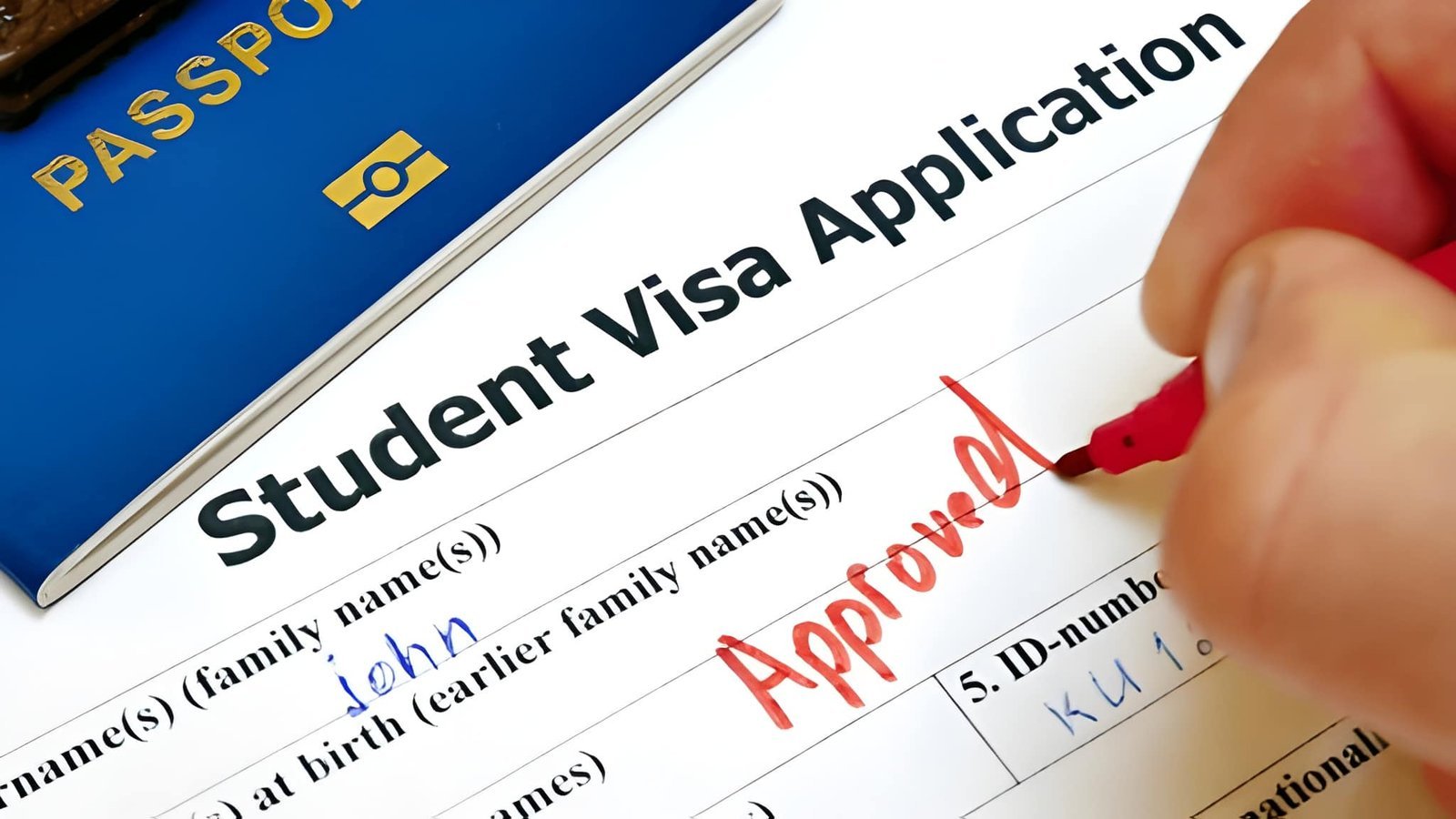
Rule 3: Make a Case for This Exact Program
Generic praise won’t cut it. “This program aligns with my goals” is empty. Instead, mention specific modules, labs, or research groups at the university. Show that you went to the website, read the curriculum, and chose this program with intention.
Rule 4: Paint a Realistic Future Career Plan
This is where your “intent to return” narrative lives. What do you plan to do after graduation? Be concrete. “I intend to return to Pakistan and work with the National Electric Power Regulatory Authority, applying the energy transition models I’ll study at TU Berlin” — that’s the kind of specificity that satisfies a visa officer.
Rule 5: Reference Your Financial and Language Proof Naturally
Don’t just list your blocked account or language certificate separately. Weave it in. A sentence like “I have secured a blocked account of €11,208 as required, and my B2 German language certificate demonstrates my readiness for the program” shows that you’re organized, prepared, and serious.
The Statement of Purpose Format That Actually Works for Germany
Let’s talk structure. A lot of applicants wonder about the right “statement of purpose for masters in Germany format” — and the answer is simpler than most guides suggest.
Keep it to one page, single-spaced, or at most one and a half pages. That’s roughly 500–700 words. German embassy officials process dozens of applications daily. They don’t want a novel.
Here’s a format that works consistently:
Paragraph 1 — The Hook & Academic Background Open with a sharp, specific sentence about your academic journey. Immediately connect it to why you’re here.
Paragraph 2 — Why This Program Specific modules. Specific professors. Specific research areas.
Paragraph 3 — Why Germany Research culture, industry ties, language, institutional reputation. Be real, not rehearsed.
Paragraph 4 — Career Goals & Return Intent Where are you going after this? Be direct. Be detailed.
Paragraph 5 — Financial & Language Readiness Brief, confident, factual.
Closing Line A clean, professional close. No dramatic flourishes.
That’s it. Clean. Logical. Effective.
3 Fatal SOP Mistakes That Trigger Visa Rejections
I need you to read this section slowly. Because these mistakes are responsible for the majority of visa SOP rejections I’ve seen — and most of them are completely avoidable.
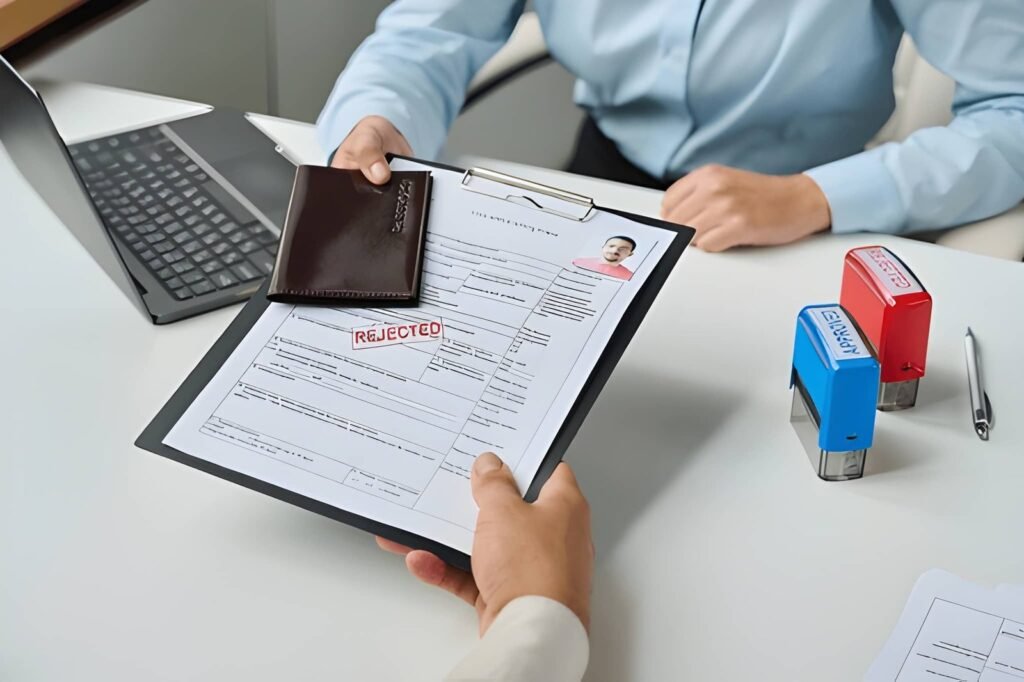
Mistake #1: Copy-Pasting from Templates (Including This Article)
I know, I know. When you’re under pressure, it’s tempting to grab a “student visa SOP for masters in Germany sample” from the internet and fill in your name. Don’t. Embassy systems and experienced officers recognize templated language immediately. Even if you don’t get caught by a detector, generic writing feels generic — and that feeling alone can raise red flags.
Your SOP needs to sound like you. Specific experiences. Specific goals. Specific institutions.
Mistake #2: Being Too Emotional or Too Vague
“Germany has always been my dream” is not an explanation — it’s a feeling. Visa officers aren’t moved by dreams. They’re moved by evidence, logic, and clarity.
The same goes for being overly vague about your career plans. “I hope to contribute to my home country’s development” means nothing. Which sector? Which role? Which organization? The more specific you are, the more credible you become.
Mistake #3: Poor Formatting and Grammar
A poorly formatted SOP sends one message louder than anything else: I didn’t take this seriously. Use a clean, professional font (Times New Roman or Arial, 11–12pt). Maintain consistent margins. Proofread twice. Then proofread again.
One grammar mistake won’t kill your application. But three or four? That creates doubt — and doubt is the enemy of visa approval.
How to Draft Your German Visa SOP in 60 Seconds with AI
Okay. Let’s talk about the shortcut I mentioned at the beginning.
Writing a great SOP from scratch takes time, multiple drafts, and — honestly — a solid understanding of what German embassy officials expect. Most applicants don’t have all three.
That’s exactly why PaceDraft exists.
Here’s what makes it genuinely different from every other “AI writing tool” out there:
- No account. No login. No sign-up. You open the site and start immediately.
- 100% free. Not a free trial. Not “free with limitations.” Actually free.
- Zero data retention. This is the big one. You’re submitting passport details, financial info, personal goals — sensitive stuff. PaceDraft stores none of it. Once your document is generated, your data is gone. Period.
- Powered by OpenAI and Gemini. The output isn’t templated filler. It’s contextually generated, tailored to your specific inputs, and structured to meet embassy expectations.
- Instant PDF and Word download. You get a formatted, print-ready document in under a minute.
The way it works is simple. You enter your academic background, your chosen program and university, your career goals, and a few other key details. The AI then generates a complete, embassy-ready SOP that follows the exact structure and tone that German consulates respond to positively.
Is it a magic button that guarantees approval? No — and anyone who tells you that is lying. But it gives you a professional, structured, highly personalized starting point that would otherwise take hours to produce.
For students who are juggling application deadlines, language barriers, and the general chaos of preparing to move abroad — that’s not a small thing. That’s genuinely useful.
Final Thoughts
Here’s the honest truth: the German visa process is thorough because Germany takes its immigration seriously. That’s not a bad thing. It means the system is fair, transparent, and knowable.
You can write an SOP that satisfies a visa officer. You can present yourself as the serious, prepared, goal-oriented student that you are. You just need to know the rules — and now you do.
Start with the structure. Focus on specificity. Avoid the common traps. And if you want a head start that saves you hours of staring at a blank page, go try PaceDraft right now. Free, instant, and safe.
Your German adventure starts with one document. Make it a good one.